



XRP Gains New Regulatory Classification
A recent regulatory update has placed XRP in a new category that’s getting attention across the crypto community. The U.S. Securities and Exchange Commission, working with the Commodity Futures Trading Commission, has established a joint framework that includes XRP in what they’re calling digital commodities.
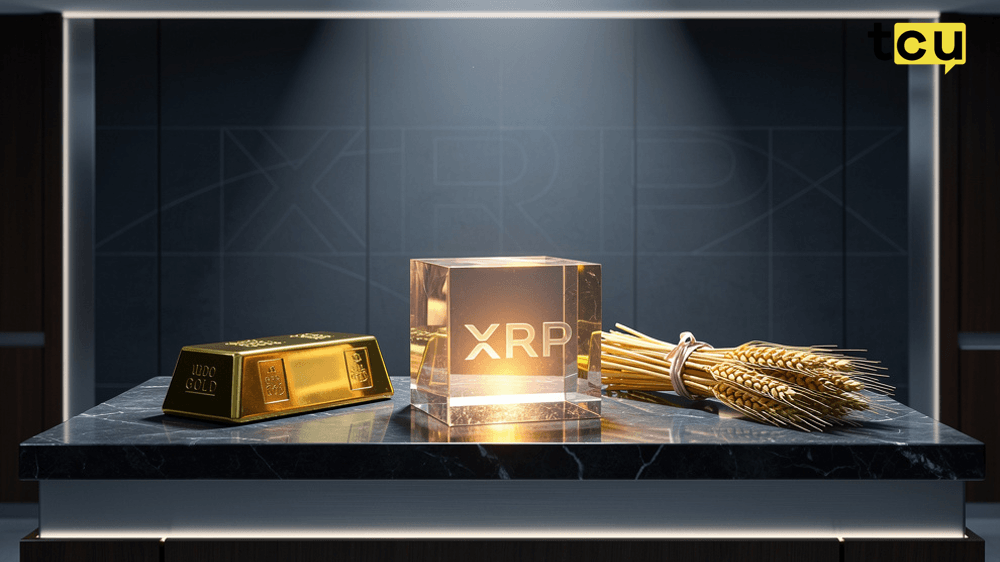
What’s interesting here is the company XRP now keeps. The framework lists it alongside traditional commodities like gold, oil, wheat, and natural gas. That’s quite a shift from the previous regulatory uncertainty that surrounded the asset for years.
I think many people are still trying to understand what this actually means in practical terms. A crypto commentator going by Digital Asset Investor pointed out that most financial advisors probably don’t grasp the significance yet. He suggested investors should pay close attention as the implications become clearer.
The Commodity Classification Details
The updated framework, released on Wednesday, creates a unified structure for how regulators view different crypto assets. XRP appears on a specific list of tokens that are considered non-securities. Bitcoin and Ethereum are also on that list, which gives some context about the company XRP is keeping.
What makes this classification noteworthy is how it positions digital assets. By placing XRP in a global commodities list that includes energy products, metals, and agricultural goods, regulators are essentially saying these assets derive value from decentralized systems and market forces rather than from a central managing team.
That distinction matters because it separates commodities from securities. Securities typically involve investment contracts where people expect profits from the efforts of others. Commodities, in contrast, are more about the asset itself and its utility.
Market Reactions and Uncertainties
The reaction in the XRP community has been pretty immediate. Many believe the market hasn’t fully priced in what this classification could mean long-term. There’s a sense that being grouped with established global commodities could change how institutions view and potentially use XRP.
But I should note there are some skeptics too. The framework’s list of digital commodities includes not just XRP, Bitcoin, and Ethereum, but also meme coins like Dogecoin and Shiba Inu. Some critics point to that inclusion as evidence the classification might not carry as much weight as enthusiasts hope.
One X user remarked that seeing Doge and Shib on the same list makes the whole thing seem less serious. That’s a fair point to consider—if everything gets labeled a commodity, does the label still mean something?
What Comes Next
It’s still unclear how this classification will play out in practice. Will traditional financial institutions start treating XRP differently? Will commodity-based financial products emerge around it? Those questions remain open.
The framework also suggests a move away from relying solely on the Howey Test for determining whether crypto assets are securities. That test has been the primary tool regulators used for years, so a shift could mean broader changes in how all digital assets get evaluated.
For now, the classification creates an interesting narrative shift. XRP gets positioned as a functional, utility-driven asset rather than something tied to a specific issuer’s performance. Whether that narrative translates into actual market changes or institutional adoption is something we’ll need to watch unfold over time.
Personally, I think the most significant aspect might be the precedent this sets. Having a clear regulatory category for digital commodities could provide more certainty for the entire crypto space, not just XRP. But we’ll have to see how regulators actually apply this framework in enforcement actions and guidance moving forward.